Categories
City of Muscatine Press Releases

Preparedness key lesson of Severe Weather Awareness Week

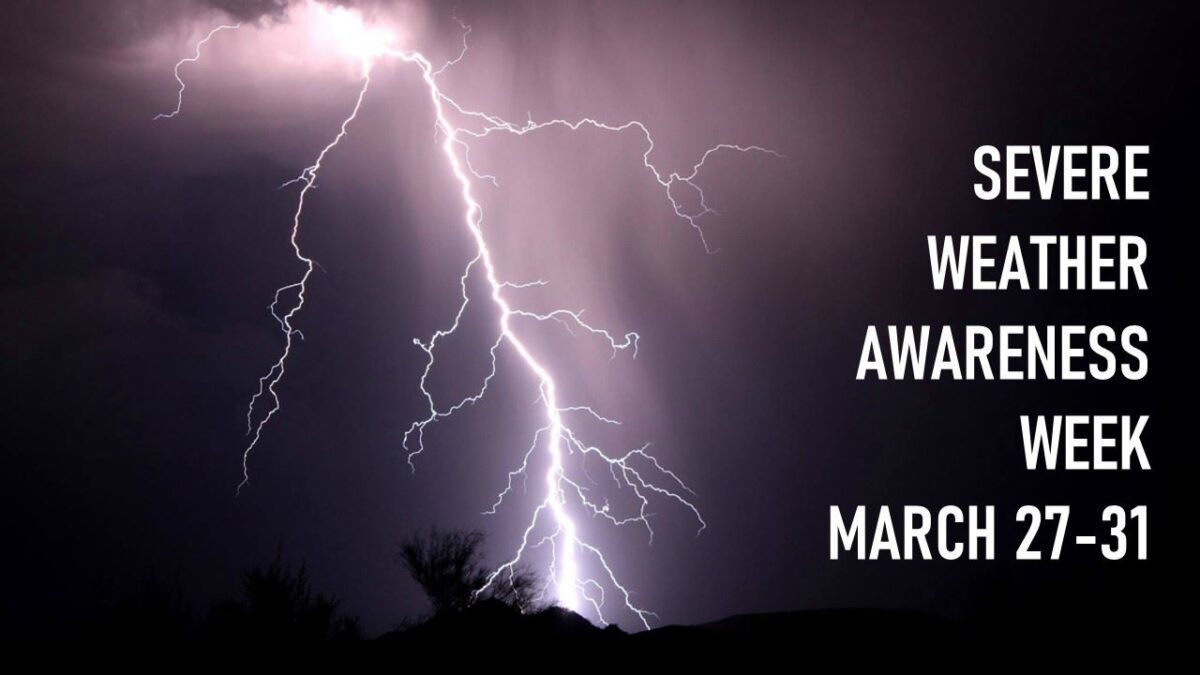
MUSCATINE, Iowa – The Iowa Department of Homeland Security and Emergency Management (HSEMD), National Weather Service (NWS), and Iowa Emergency Management Association (IEMA) have joined together to promote Severe Weather Awareness Week, March 27-31. 

“Iowa is no stranger to severe weather,” said HSEMD Director John Benson. “We frequently see tornadoes, flooding, straight-line winds and even derechos. So take the time now to prepare yourself and your family so you know what to do if severe weather is headed your way.”

Benson urges Iowans to take three simple steps to be better prepared:

  • Be aware of weather hazards by signing up for emergency notifications through Alert Iowa (alert.iowa.gov) or use a NOAA Weather Radio or other type of alerting tool.
  • Make an emergency plan with your family. Think about where you will go and what actions you will need to take to stay safe if you are impacted by severe weather.
  • Build an emergency kit with items you and your family will need if you must evacuate your home.

For each day during Severe Weather Awareness Week a different subject will be highlighted:

  • Monday – Severe thunderstorms
  • Tuesday – Weather alerts
  • Wednesday – Tornadoes
  • Thursday – Family preparedness
  • Friday – Flash floods

The annual statewide tornado drill will take place on Wed., March 29, beginning at 10 a.m. during the weekly NOAA Weather Radio test. In the event of severe weather, the drill will be postponed to March 30 at 10 a.m. Additional information about the tornado drill can be found on local NWS websites.

SEVERE THUNDERSTORMS

The National Weather Service officially defines severe thunderstorms as storms that are capable of producing hail that is an inch or larger or wind gusts over 58 mph. Hail this size can damage property such as plants, roofs, and vehicles. Wind this strong is able to break off large branches, knock over trees, or cause structural damage to trees.

Some thunderstorms can produce hail larger than softballs or winds over 100 mph, so please pay attention to the weather as you know when severe storms are possible. Thunderstorms can also produce tornadoes and dangerous lightning, and heavy rain can cause flash flooding.

To learn more, visit the Severe Thunderstorm Safety page on the National Weather Service website.

Learn About Thunderstorms

Thunderstorm Safety (PDF)

RECEIVING WARNING INFORMATION

Today’s technology offers many ways to be alerted to severe weather. The most important point is to be intentional and proactive by having multiple ways to receive warnings, know which hazards alert on the various systems, choose the alert methods that work best for you in different situations (at home, at the ball park, etc.), and react quickly when the hazard occurs.

Some types of alerting systems include:

WEATHER WARNINGS

Do you know the difference between a National Weather Service Severe Thunderstorm Watch and a Severe Thunderstorm Warning? Check your knowledge below.

Severe Thunderstorm Watch: Be Prepared! Severe thunderstorms are possible in and near the watch area. Stay informed and be ready to act if a severe thunderstorm warning is issued. The watch area is typically large, covering numerous counties or even states.

Severe Thunderstorm Warning: Take Action! Severe weather has been reported by spotters or indicated by radar. Warnings indicate imminent danger to life and property. Take shelter in a substantial building. Get out of mobile homes that can blow over in high winds. Warnings typically encompass a much smaller area (around the size of a city or small county) that may be impacted by a large hail or damaging wind identified by an NWS forecaster on radar or by a trained spotter/law enforcement who is watching the storm.

Watches and Warnings (PDF)

TORNADO SAFETY

A tornado is a violently rotating column of air extending from the base of a thunderstorm down to the ground. Tornadoes are capable of completely destroying well-made structures, uprooting trees, and hurling objects through the air like deadly missiles. Tornadoes can occur at any time of day or night and at any time of the year. Although tornadoes are most common in the Central Plains and the southeastern United States, they have been reported in all 50 states.

To learn more, visit the Tornado Safety page on the National Weather Service website.

FAMILY PREPAREDNESS

There are three simple steps that you can take to be more prepared at any time of the year for any emergency including weather related hazards.

  • Build A Kit – Create an emergency supply kit that would have everything that you would need to sustain you and your family for three to five days.
  • Make A Plan – Knowing what to do in the event of an emergency is key. Make sure that everyone in your family knows what to do in the event of an emergency and practice that plan.
  • Be Aware – Learn about the hazards that can affect your community, and learn how to get information about current weather and road conditions.

More information can be found at READY IOWA.

FLOOD SAFETY

Flooding is a coast-to-coast threat in the United States and Muscatine has the annual threat of spring flooding of the Mississippi River. The National Weather Service offers a Flood Safety Tips and Resources page with valuable information on what to do before a flood, during a flood, and after a flood.

While there is more time to prepare for river flooding, there is little time to prepare for a flash flood, a rapid rise of water in low-lying areas that can be caused by heavy rain, ice or debris jams, and levee or dam failure. The most common cause in Muscatine is copious amounts of rainfall from thunderstorms. Remember to turn around and don’t drown.

Types of Advisories, Watches and Warnings

The information provided on the Ready Iowa Be Aware page is courtesy of the National Weather Service (NWS). These are hazards that regularly affect the state of Iowa. For additional information, visit your local NWS website.

Floods

  • A flood watch is issued when current and developing conditions are such that there is a threat of flooding, but the occurrence is neither certain nor imminent.
  • A flood warning is issued when there is flooding along larger streams causing a serious threat to life or property. A flood warning will usually contain river stage (level) forecasts.
  • A flash flood watch indicates that flash flooding is possible in and close to the watch area. Those in the affected area are urged to be ready to take quick action if a flash flood warning is issued or flooding is observed.
  • A flash flood warning signifies a dangerous situation where rapid flooding of small rivers, streams, creeks, or urban areas is imminent or already occurring.

Heat

  • A heat advisory is issued within 12 hours of the onset of the following conditions: heat index of at least 105°F but less than 115°F for less than three hours per day, or nighttime lows above 80°F for two consecutive days.

Tornadoes/Wind

  • A tornado watch means that conditions are favorable for the development of tornadoes in and close to the watch area.
  • A tornado warning means that a tornado is indicated by radar or has been sighted by storm spotters. The warning will include where the tornado is and what towns will be in its path.
  • A wind advisory is issued with sustained winds from 25 to 39 mph and/or gusts to 57 mph.

Severe Thunderstorms

  • A severe thunderstorm watch means that conditions are favorable for the development of severe thunderstorms in and close to the watch area.
  • A severe thunderstorm warning is issued when a thunderstorm produces hail 3/4 of an inch or larger in diameter and/or winds which equal or exceed 58 mph. Severe thunderstorms can result in the loss of life and/or property. Information in this warning includes: where the storm is, what towns will be affected, and the primary threat associated with the storm.

The NWS developed two new categories of damage threat for Severe Thunderstorm Warnings. These tags and additional messaging are designed to promote immediate action, based on the threats.

  • The criteria for a destructive damage threat are at least 2.75-inch diameter (baseball-sized) hail and/or 80 mph thunderstorm winds. Warnings with this tag will automatically activate a WEA on smartphones within the warned area.
  • The criteria for a considerable damage threat are at least 1.75-inch diameter (golf ball-sized) hail and/or 70 mph thunderstorm winds. This will not activate a WEA.

Winter Weather

  • A winter storm watch indicates that severe winter weather may affect your area.
  • A winter storm warning indicates that severe winter weather conditions are definitely on the way or are already here.
  • A blizzard warning means that large amounts of falling or blowing snow and sustained winds of at least 35 miles per hour are expected for several hours.
  • A blowing snow advisory is issued when wind-driven snow reduces surface visibility, possibly hampering travel.
  • A wind chill advisory is issued when the wind chill could be life threatening if action is not taken.
  • A wind chill warning is issued when the wind chill is life threatening.
  • A freezing rain/drizzle advisory is issued when freezing rain or freezing drizzle is forecast but a significant accumulation is not expected. However, even small amounts of freezing rain or freezing drizzle may cause significant travel problems.
Categories
City of Muscatine Press Releases

Use common sense to prevent fires, personal injury

MUSCATINE, Iowa – The National Weather Service issued a Hazardous Weather Outlook Monday indicating that a strong winter storm could affect the Muscatine area Thursday through Saturday.

While there is still some uncertainty as to the track of the storm, blizzard or near-blizzard conditions are expected with high winds and snow amounts of up to 12 inches. The combination is likely to cause white outs or blizzard conditions from late Thursday through Saturday.

Very cold temperatures will also arrive late in the week and, combined with the wind, could create wind chill values dropping to as low as 25 to 35 below at times.

Now is the time to prepare your home and your vehicle for this winter storm and the rest of the winter season. Fire safety is part of that preparation.

A little common sense goes a long way to keeping you safe throughout the year, and that is especially true during the winter months when houses are closed up and cold temperatures arrive according to Assistant Fire Chief Mike Hartman.

With old man winter already making himself known to the Muscatine area just before the Christmas holiday and furnaces across the community expected to have their first real workouts of the winter season this weekend, Hartman recommends families to complete a safety check of their homes before the harshness of winter sets in.

Inspecting the furnace, water heater, any other gas or coal-burning appliances, fireplaces, and wood stoves along with checking the smoke and carbon monoxide detectors in a home are common sense steps toward fire prevention and home safety this winter.

Fireplaces and wood stoves should be cleaned and inspected each year before use and homeowners should use caution when disposing of the ashes from previous fireplace fires.

“It is a good idea to make sure that your smoke detectors and carbon monoxide detectors are in good working order,” Hartman said. “Check the batteries and change if needed. Also check the date on the detectors. Sensors, over time, are not as functional. If they are 10-years-old, they need to be replaced. Also, if there is no date on the detector, it is probably is a good idea to replace them.”

CARBON MONOXIDE POISONING

Fire and the potential for carbon monoxide poisoning are two of the major issues related to winter home heating along with the use of space heaters.

Carbon monoxide is an odorless, colorless gas that can fill a home without the occupant realizing it and usually striking the victim while they are sleeping. More than 400 people die from unintentional carbon monoxide poisoning every year in the United States according to the Centers for Disease Control and Prevention. More than 20,000 visit the emergency room, and more than 4,000 others are hospitalized.

Winter is a time when residents seal up their homes as much as possible to keep the cold from getting in and the heat from getting out. When a homeowner does that, however, there is the greater likelihood of a carbon monoxide buildup. If you had a cracked heat exchanger on your furnace, for example, and it went undetected you could be filling up the home with carbon monoxide and not even know it.

That is one of the reasons that a carbon monoxide detector is required in every home and it is suggested that one be placed outside of every bedroom in the home. And if the detector activates, just don’t believe that it is a bad battery.

“It is better to investigate,” Hartman said.

Hartman said that if a person calls 911 and reports that a carbon monoxide detector is making noise, the dispatcher will ask if anyone has a headache (that occurs at home but not when at work or school), signs of flu, or anything like that might be related to carbon monoxide poisoning.

“If they do, we will respond,” Hartman said. “If they don’t, we send the gas company who are better equipped to detect where the leaks are coming from and what needs to be done to solve the problem.”

SPACE HEATERS

While the number of fire calls that are the result of a space heater failure have not been great, the potential does exist if common sense is not followed.

“I do not know how many use space heaters anymore, but there are concerns about their use,” Hartman said.

Chief among them is that electric space heaters need to be plugged directly into a wall outlet and without the use of an extension cord.

“We have had a lot of electrical fires from the overuse of extension cords,” Hartman said. “If you have to use one, make sure that it is a heavy enough one that will not overheat when used. In the grand scheme of things, we have not had a lot of space heater issues, or a lot of fireplace issues in the last few years also.”

And never use a portable flameless chemical heater indoors or a gas oven to heat your home. 

KITCHEN FIRES 

Hartman added that kitchen fires, although not weather related, have been the reasons for many of the calls the department has responded to lately.

“These usually happen when someone forgets that they have a pan on the stove and sits down to watch television or falls asleep,” Hartman said. “Again, it is just common sense that if you have something on the stove, pay attention to it.”

In one example, a resident left a pan of grease unattended on the stove and it caught fire. The residents’ fire extinguisher did not work so they tried to spray the grease fire with water to put it out. Unfortunately, that just spread the fire and the individual suffered burns as a result.

“Water may eventually put out a grease fire if you use enough of it but it will definitely spread the fire first,” Hartman said. “The best option in putting out a grease fire is to use a lid to cover the pan and smother the fire.”

SNOW AND ICE BUILD UP

Heavy snow and ice could block the roof vents for a resident’s furnace and water heater which could force carbon monoxide back into house.

The Fire Department also asks that after a heavy snow event residents shovel out a three feet circle around fire hydrant so that fire crews have room to operate should they be needed.

TURKEY FRYERS ARE MEANT TO BE OUTSIDE

Hartman vividly remembers an incident many years ago where a home was lost because the residents used a turkey fryer inside.

“Sadly, it is a fairly common story this time of year,” Hartman said. “If not used properly you could lose your home or you could suffer severe burns from improper usage.”

Turkey fryers are meant to be used outside and not in a house or inside a garage.

CANDLES CAN ALSO CAUSE FIRES

Candles are another item that residents have to remember about and not place near anything flammable, near window coverings, near paper towels, or near areas when kitchen towels are hanging. If you leave the room, try to remember to put the candles out especially, is you are going out or going to bed.

Candle fires peak in December and January with 11 percent of candle fires in each of these months according to the National Fire Prevention Association.  Christmas is the peak day for candle fires. Each year between 2015-2019, an average of 7,400 home candle fires were reported each year.

Generators

Portable generators are useful during power outages, however, many homeowners are unaware that the improper use of portable generators can be risky according to the National Fire Prevention Association. 

The most common dangers associated with portable generators are carbon monoxide (CO) poisoning, electrical shock or electrocution, and fire hazards. According to a 2013 Consumer Product Safety Commission report, half of the generator-related deaths happened in the four coldest months of the year, November through February, and portable generators were involved in the majority of carbon monoxide deaths involving engine-driven tools. 

Never use a generator inside a home, basement, or garage, or less than 20 feet from any window, door or vent. Even if windows and doors are open fatal levels of carbon monoxide can fill a home.

CAR IN A GARAGE

Never run a car in a garage that is attached to a house, even with the garage door open as carbon monoxide could still penetrate into the home. When running a car in a detached garage, always open the door to let fresh air in.

OTHER RESOURCES

National Fire Prevention Association: Put A Freeze On Winter Fires

Centers for Disease Control and Prevention: Winter Weather

National Safety Council: Winter Safety Tips and Fire Safety Tips.

Categories
City of Muscatine Press Releases

Fire Department urges families to create fire escape plan

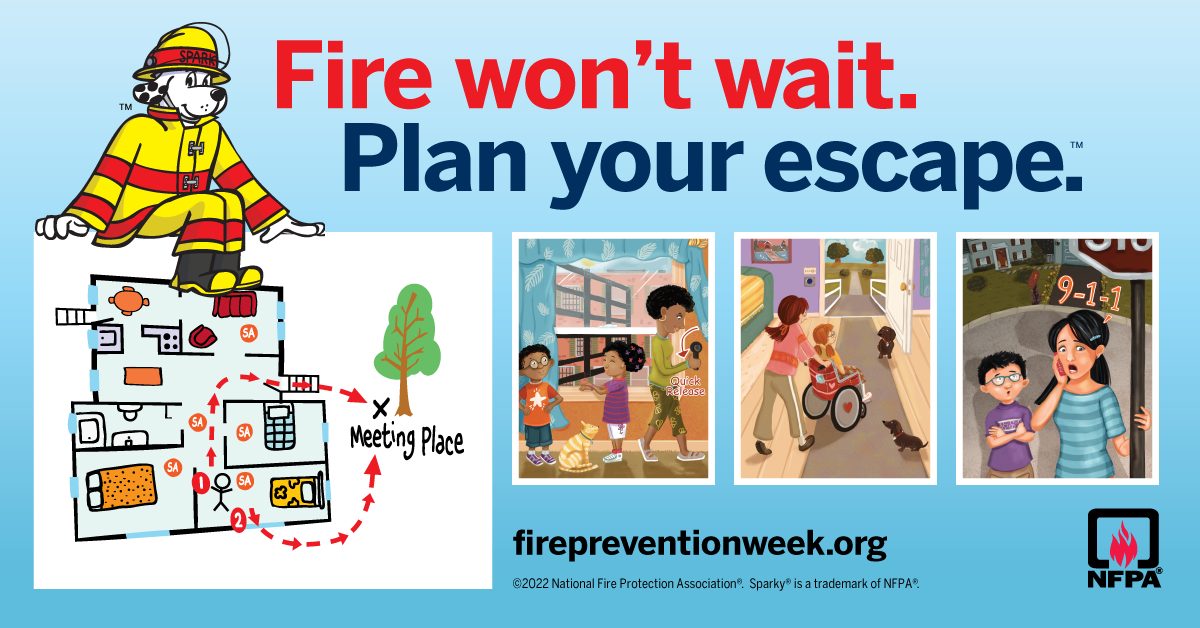
MUSCATINE, Iowa – The Muscatine Fire Department is teaming up with the National Fire Protection Association® (NFPA®) to celebrate the 100th anniversary of Fire Prevention WeekTM (FPW), which is scheduled for October 9-15, 2022. This year’s FPW campaign, “Fire won’t wait. Plan your escapeTM”, works to educate everyone about simple but important actions they can take to keep themselves and those around them safe from home fires.

“Today’s homes burn faster than ever,” Lorraine Carli, vice president of Outreach and Advocacy at NFPA, said. “You may have as little as two minutes (or even less time) to safely escape a home fire from the time the smoke alarm sounds. Your ability to get out of a home during a fire depends on early warning from smoke alarms and advance planning.” 

The Muscatine Fire Department encourages all residents to embrace the 2022 Fire Prevention Week theme.

“It’s important for everyone to plan and practice a home fire escape,” Jerry Ewers, Muscatine Fire Chief, said. “Everyone needs to be prepared in advance, so that they know what to do when the smoke alarm sounds. Given that every home is different, every home fire escape plan will also be different.” 

“Have a plan for everyone in the home,” Ewers said. “Children, older adults, and people with disabilities may need assistance to wake up and get out. Make sure that someone will help them.”

Muscatine Fire Department wants to share these key home fire escape planning tips:

  • Make sure your plan meets the needs of all your family members, including those with sensory or physical disabilities.
  • Smoke alarms should be installed inside every sleeping room, outside each separate sleeping area, and on every level of your home. Smoke alarms should be interconnected so when one sounds, they all sound. 
  • Know at least two ways out of every room, if possible. Make sure all doors and windows open easily.
  • Have an outside meeting place a safe distance from your home where everyone should meet. 
  • Practice your home fire drill at least twice a year with everyone in the household, including guests. Practice at least once during the day and at night.

For more information about Fire Prevention Week and fire prevention in general, visit fpw.org and sparky.org.

Categories
City of Muscatine Press Releases

Employer group offers tips for a healthier community

MUSCATINE, Iowa – In recognition of National Suicide Prevention Month and the Family Meals Movement, the #WorkingWellMuscatine employer group is offering some tips that support the Healthy Hometown concepts of Eat Well, Move More, Feel Better. Individuals can use these resources in their office, or share them with employees, friends, and neighbors. The goal is to build healthier workplaces and a healthier community.

Eat Well

Did you know that September is Family Meals Month? According to the FMI Foundation, people who eat more meals together eat more fruits and vegetables, and have better diets in general. But did you know that family meals improve family connectedness, communication, expressiveness and problem solving too?

No matter how you define family, visit this website (Stay Strong with Family Meals) to learn more about staying strong with family meals.

If you would like to know more about how having meals as a family is beneficial visit #FamilyMealsMovement and NY Times Better Family Meals. Or just google family dinner and see what pops up.

September is also Better Breakfast Month – so visit Build A Better Breakfast for ideas to make breakfast better!

Move More

Doing 30 minutes or more of exercise a day for three to five days a week may significantly improve depression or anxiety symptoms. But smaller amounts of physical activity — as little as 10 to 15 minutes at a time — may make a difference. Find something you enjoy and make it a habit! Visit Depression and Anxiety: Exercise eases symptoms for more information.

988 Suicide Hotline graphic (JPG)Feel Better

A National Hotline has been set up to help people considering suicide get immediate help – Call or Text 988 for access to help 24/7. 

Information about the National Suicide Prevention Hotline can be found at #BeThe1To

Most companies also have an Employee Assistance Program – check out the benefits that are available from your company and eat more, move more, and feel better

Categories
City of Muscatine Press Releases

Dial 988 – New number implemented for National Suicide Prevention Lifeline

MUSCATINE, Iowa – The United States transitioned from the 10-digit National Suicide Prevention Lifeline to 988 – an easy-to-remember three-digit number for 24/7 crisis care. The lifeline, which also links to the Veterans Crisis Line, follows a three-year joint effort by the U.S. Department of Health and Human Services (HHS), Federal Communications Commission (FCC), and the U.S. Department of Veterans Affairs (VA) to put crisis care more in reach for people in need.

“The idea behind the change was to make it easier for those in a mental health crisis to reach out and receive help,” Chris Jasper, Muscatine County Emergency Management Director, said. “It is easier to remember a three-digit number than a 10-digit number when you or a love one are suffering a crisis and need help.”

Jasper noted that even if those seeking help dial 911, they will receive help.

“We have been working on ways to seamlessly connect a caller who dials 911 with the support team available at 988,” Jasper said. “We will talk with them and/or send an officer to help but this takes away resources that may be needed for another emergency.”

Public education of this new resource is needed so that anyone can easily call for help when in a mental health crisis.

“This new hotline will provide individuals the help they need and it will also provide a place for family or friends to call if they have concerns about a love one,” Jasper said. “Dialing 988 will also help keep our local resources free for other emergencies.

The most important message, however, is that there are people on the other end of the 988 call who will listen and help. 

The National Suicide Hotline Designation Act was signed into law in 2020, and authorized 988 as a new three-digit number for suicide and mental health crisis support.  All telephone service and text providers in the U.S. and the five major U.S. territories were required by the FCC to activate 988 no later than July 16.

FCC staff first proposed 988 in a report to Congress in August 2019 as the nationwide, easy-to-remember, 3-digit dialing code for individuals in crisis to connect to suicide prevention and mental health crisis counselors with the National Suicide Prevention Lifeline.  On July 16, 2020, the FCC adopted rules designating 988 for this purpose. 

Recognizing the need to better support at-risk communities in crisis, including youth and individuals with disabilities, the FCC adopted additional rules in November 2021 to expand access to this important service by establishing the ability to also text 988.  To ensure that calls to 988 reach the Lifeline, the FCC adopted rules that also required all covered providers to implement 10-digit dialing in areas that use seven-digit dialing with 988 as the first three numbers of the phone number, impacting 82 area codes across the country.

“All across our country, people are hurting,” said FCC Chairwoman Jessica Rosenworcel. “They need help. The good news is that getting that help just got a lot easier. This cross-government effort has been years in the making and comes at a crucial point to help address the mental health crisis in our country, especially for our young people.” 

The 988 Suicide & Crisis Lifeline is a network of more than 200 state and local call centers funded by HHS through the Substance Abuse and Mental Health Services Administration (SAMHSA).  In 2021, the Lifeline received 3.6 million calls, chats, and texts.  That number is expected to at least double within the first full year after the 988 transition.

The U.S. had one death by suicide every 11 minutes in 2020, according to the Centers for Disease Control and Prevention.  Suicide was the second leading cause of death for young people aged 10-14 and 25-34.  From April 2020 to 2021, more than 100,000 people died from drug overdoses.  Studies have shown that after speaking with a trained crisis counselor, most Lifeline callers are significantly more likely to feel less depressed, less suicidal, less overwhelmed, and more hopeful.  

Federal investments in the 988 Suicide & Crisis Lifeline have increased 18-fold from $24 million to $432 million to scale up crisis centers and back-up center capacity, and to provide special services, including a sub-network for Spanish language speakers. 

The $432 million included $105 million in grant funding to states and territories, provided by the American Rescue Plan, to improve response rates, increase capacity to meet future demand, and ensure calls initiated in their states or territories are first routed to local, regional, or state crisis call centers.  Prior to this investment, the Lifeline, which has existed since 2005, had been historically unfunded and under-resourced.

VA administers the Veterans Crisis Line through the Lifeline’s national network. Because of VA’s partnership with the Lifeline, the Veterans Crisis Line is affected by this transition to a new number.  Veterans and their loved ones can now dial 988 then press 1 to reach the Veterans Crisis Line.

“988 has been a long time coming and will serve as a critical resource during a crisis when every second counts. The new, shorter number will help ensure Veterans have easier access to the Veterans Crisis Line,” said VA Secretary Denis McDonough.  “This launch is a whole-of-government approach in line with the President’s call to prioritize mental health by strengthening access to crisis services, and preventing Veteran suicide, our top clinical priority.” 

The 10-digit Lifeline number 1-800-273-TALK (8255) will continue to be operational after July 16 and will route calls to 988 indefinitely.  Veterans, service members, and their families can also still reach the Veterans Crisis Line with the current phone number 1-800-273-8255 and press 1, or by chat or text to 838255.

To learn more about the FCC’s role in the 988 transition, visit fcc.gov/988.  More information on 988 is available at www.samhsa.gov/988 and https://www.samhsa.gov/find-help/988/faqs

Versión en español

Categories
City of Muscatine Press Releases

Historic Preservation to present three awards at May 14 reception

MUSCATINE, Iowa – May is National Preservation Month and in celebration of the efforts to preserve Muscatine history, three Historic Preservation Awards will be presented by the City of Muscatine Historic Preservation Committee. The winners will be honored during a reception from 2-4 p.m. on Saturday, May 14, at the Muscatine Art Center.


The reception will offer a screening of historic properties in Muscatine and recognition of community members committed to preserving historic buildings. The event is free and open for all to attend.


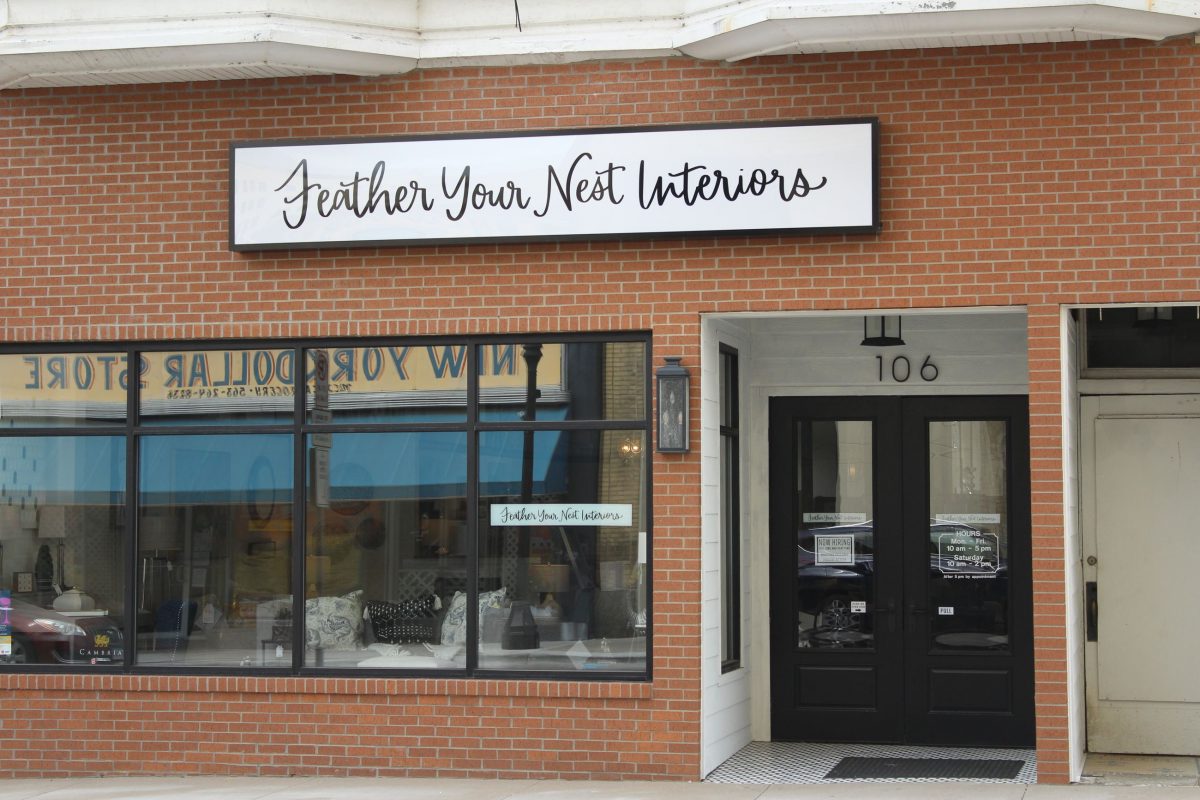
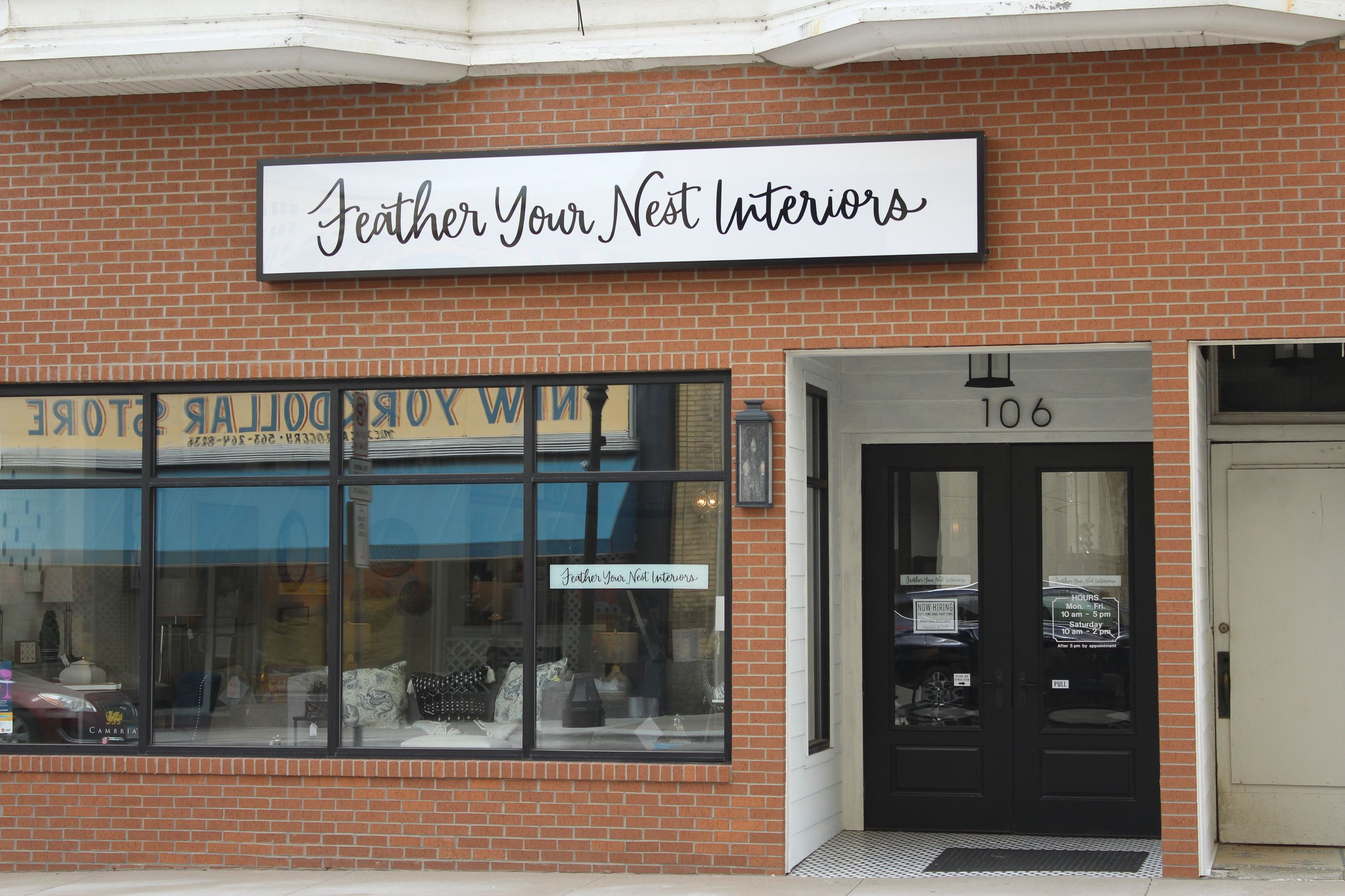
Downtown Building Restoration -  Feather Your Nest (JPG)Commercial Rehabilitation Award


The Commercial Rehabilitation Award will be presented to Alyshea Gow, owner of Feather Your Next Interiors, for the restoration of a commercial building located at 106 East 2nd Street.

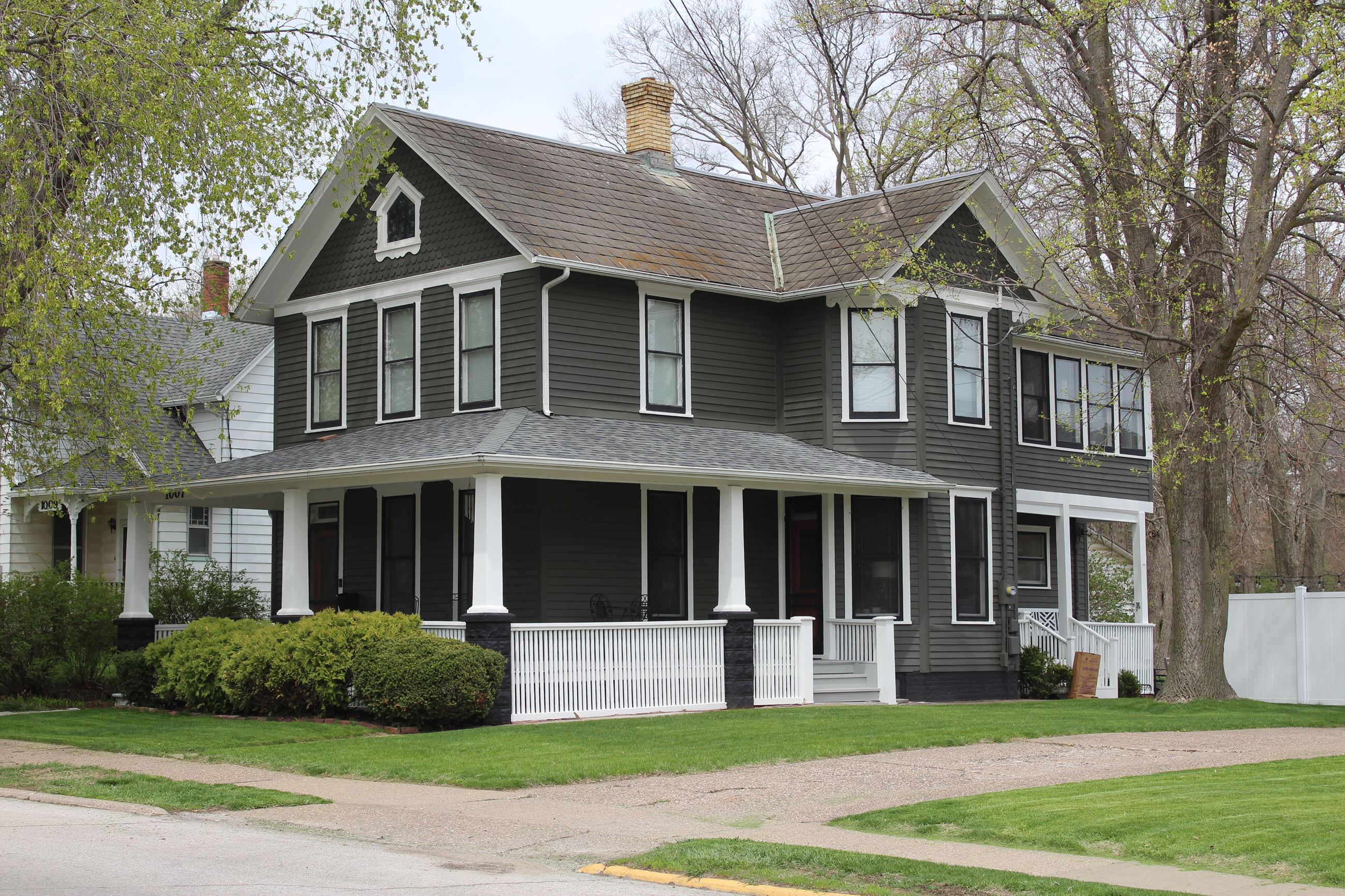
Residential Building Restoration - 1007 Cedar Street (JPG)

Residential Rehabilitation Award


The Residential Rehabilitation Award will be presented to Dennis and May Palmer for their restoration of the private residence at 1007 Cedar Street.


Leadership-Stewardship Award


The Historic Preservation Leadership-Stewardship Award will be presented to Brad and Rachel Roeth in recognition of their preservation efforts at several historic locations in Muscatine.


Special Recognition


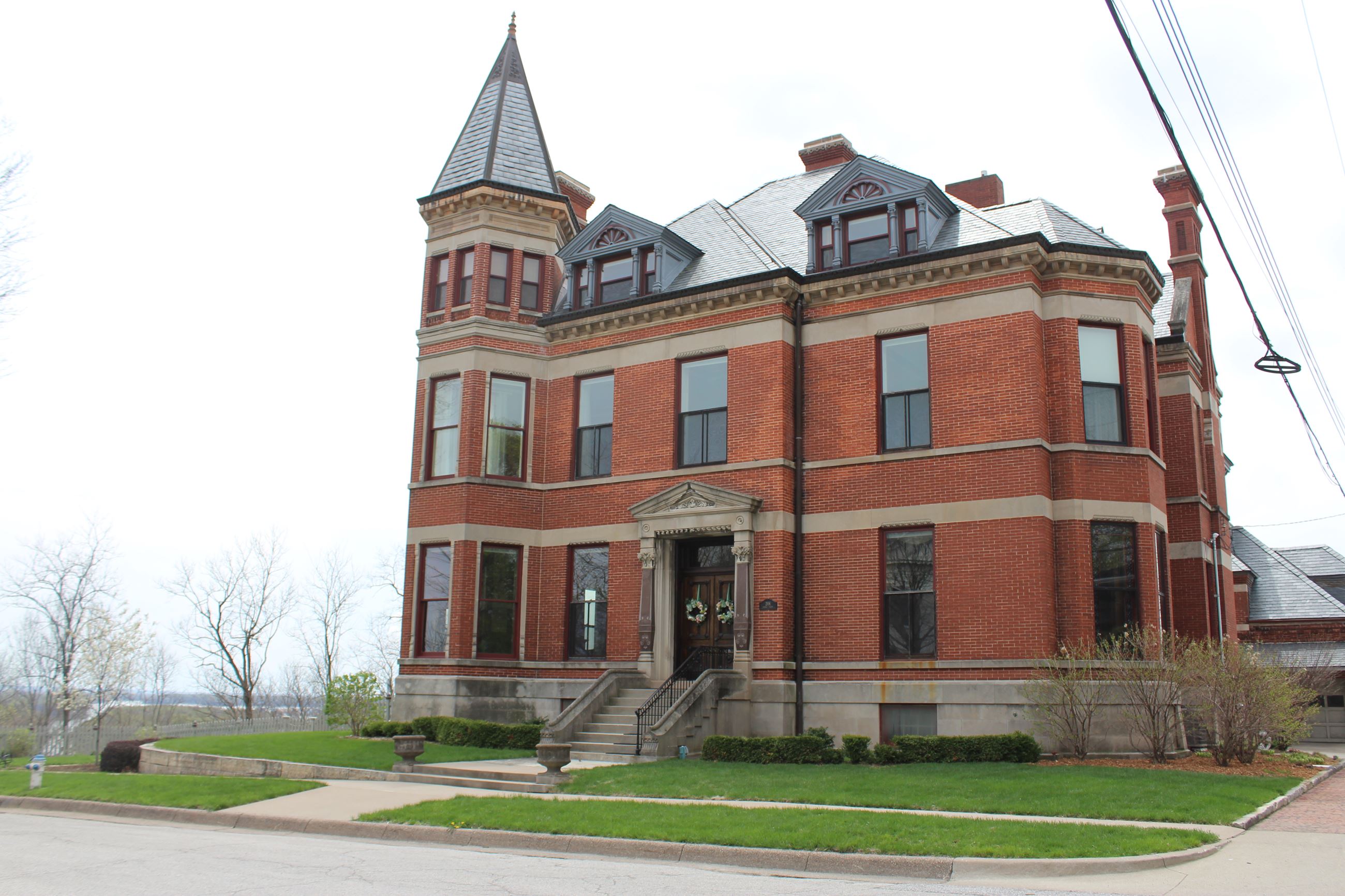
Blackwell House 206 Cherry Street (JPG)A Special Recognition will be presented in recognition of the 140th Anniversary of Blackwell House, currently owned by Mark and Christine Post, located at 206 Cherry Street.


The Historic Preservation Commission sent out a request for award nominations in April. Nominations needed to include the property owner’s name and address as well as a description of the type of work completed. 


Owners were allowed to nominate their own property and/or work, or individuals were able to nominate properties that they knew about. The work should have focused on retaining the historic integrity of the property and have been completed in 2020 or 2021. Before and after photos should be attached to the nomination but are not required for submission.


Light refreshments will be served.